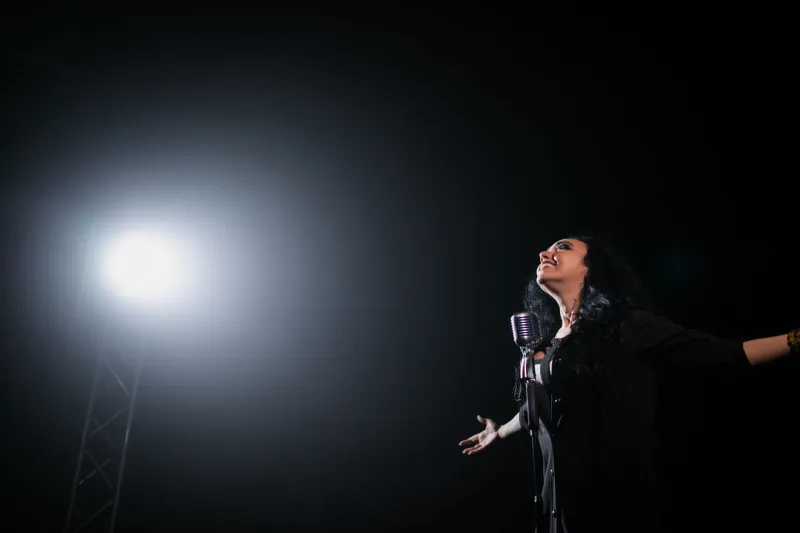
No Label, No Problem: How Self-Made Artists Are Taking Over the Music Game
Not that long ago, the path to a music career looked pretty much the same for everyone. You played local gigs, you hustled for a demo deal, you prayed some A&R rep at a major label would notice you — and if they didn't, well, that was kind of that. The industry held all the cards, and artists were expected to play by its rules or go home.
That playbook is basically obsolete now.
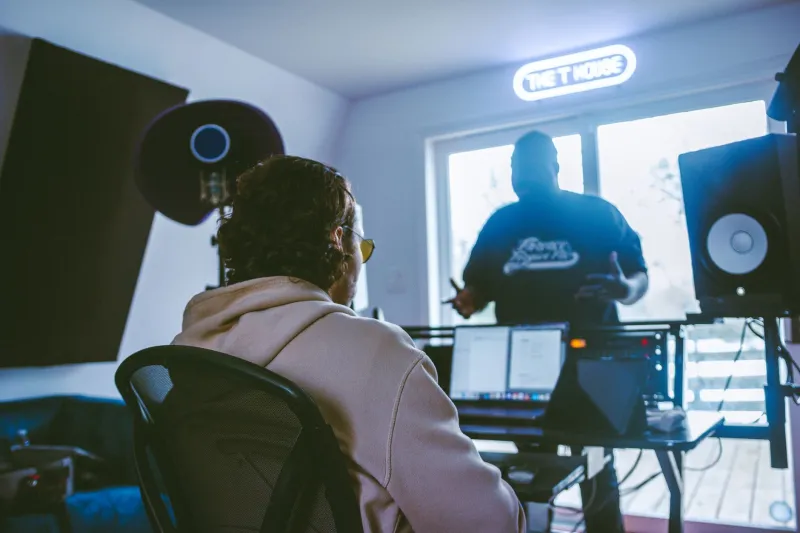
Today, independent artists across the United States are building real, sustainable careers without ever setting foot inside a label boardroom. They're recording in spare bedrooms, mixing tracks on laptops, and releasing music directly to listeners who actually care. And some of them? They're filling stages that major-label artists would kill for.
So what changed? Everything, honestly.
The Tools That Leveled the Playing Field
Let's start with the obvious: technology made this whole revolution possible. Affordable recording software like GarageBand, Logic Pro, and Ableton has put professional-grade production capability into the hands of anyone with a laptop and a decent pair of headphones. You don't need a $5,000-a-day studio session to make something that sounds incredible.
But the real game-changer has been distribution. Platforms like DistroKid, TuneCore, and CD Baby let independent artists upload their music to Spotify, Apple Music, Amazon Music, and every other major streaming service for a fraction of what it used to cost. Your song can be sitting right next to a Taylor Swift track on a playlist — and if it's good enough, listeners won't care who released it.
Then there's social media, which is honestly its own entire category of disruption. TikTok, Instagram Reels, and YouTube Shorts have given artists something the old industry never could: direct access to fans before anyone else gets to filter the message. A 30-second clip can introduce an unknown artist to millions of people overnight. Olivia Rodrigo's rise started with a TikTok post. Lil Nas X dropped "Old Town Road" on his own before it became one of the best-selling singles in history. These aren't flukes — they're blueprints.
The Mindset Shift That Actually Matters
Here's the thing though — the tools are only part of the story. Plenty of artists have access to the same technology and still struggle to gain traction. What separates the ones who break through from the ones who don't usually comes down to how they think about their career.
The most successful independent artists have stopped waiting for permission. They treat themselves like the CEO of their own creative business, not just a musician hoping to get discovered. That means understanding your audience, being intentional about your brand, and making decisions based on what actually serves your art and your community of fans — not what some executive thinks is commercially viable.
It also means getting comfortable with wearing multiple hats. Independent artists are their own marketers, their own social media managers, their own booking agents — at least at first. That sounds exhausting, and honestly, sometimes it is. But it also means you own every decision. You control your sound, your image, your release schedule, and your story. That kind of creative freedom is something major label artists often spend years fighting to get back.
Building a Real Fan Base, One Connection at a Time
One of the biggest myths about the music industry is that success is all about numbers — streams, followers, monthly listeners. And sure, those metrics matter to some degree. But the independent artists who are building truly sustainable careers are focused on something more valuable: depth of connection.
Platforms like Patreon and Bandcamp have made it possible for artists to monetize their most dedicated fans directly. A relatively small but passionate fan base can fund an entire creative career. Think about it — if 1,000 people are willing to pay $10 a month to support your music, that's $10,000 in monthly revenue. That's not just a side hustle. That's a living.
Newsletter platforms like Substack and Mailchimp are also becoming essential tools for artists who want to own their relationship with fans, rather than renting attention from an algorithm. When you have someone's email address, you can reach them directly — no platform can change an algorithm and suddenly make you invisible.
Live performance remains one of the most powerful tools in any independent artist's kit. There's nothing that builds loyalty like an unforgettable show, and regional touring — even playing smaller venues and clubs — creates the kind of grassroots momentum that no amount of paid promotion can replicate.
The Nina Sever Approach: Art First, Always
What's especially inspiring about creators like Nina Sever is the way they anchor everything — the strategy, the hustle, the platform-building — in the actual work. The art comes first. The storytelling comes first. Everything else is in service of that.
That might sound simple, but it's actually pretty radical in an era where so much content is reverse-engineered from what the algorithm wants. The artists who last, the ones who build careers that actually mean something, are the ones who start with a genuine creative vision and then find the smartest ways to share it.
Being an independent artist in America right now is genuinely exciting. The barriers to entry have never been lower, and the potential audience has never been bigger. But the path still requires real commitment — to your craft, to your community, and to the long game.
What Aspiring Artists Can Take Away
If you're an emerging artist trying to figure out your next move, here are a few things worth holding onto:
Start before you're ready. Waiting for perfect conditions is just a more comfortable form of procrastination. Release the music. Post the video. Play the show.
Build your owned audience early. Social media followings are borrowed. Email lists and direct fan relationships are yours. Start building those from day one.
Collaborate like crazy. Independent doesn't mean isolated. Some of the most interesting music being made right now comes from unexpected collaborations between artists who found each other online.
Think long-term. Viral moments are great, but they're not a career. Focus on building something real, even if it grows slowly.
The music industry isn't what it was, and honestly? That's a good thing. The new rules favor artists who are creative, persistent, and genuinely connected to their audience. If that sounds like you, the door is wide open.
You just have to walk through it.