Art That Pays: 5 Ways to Build Real Income Without Betraying the Work
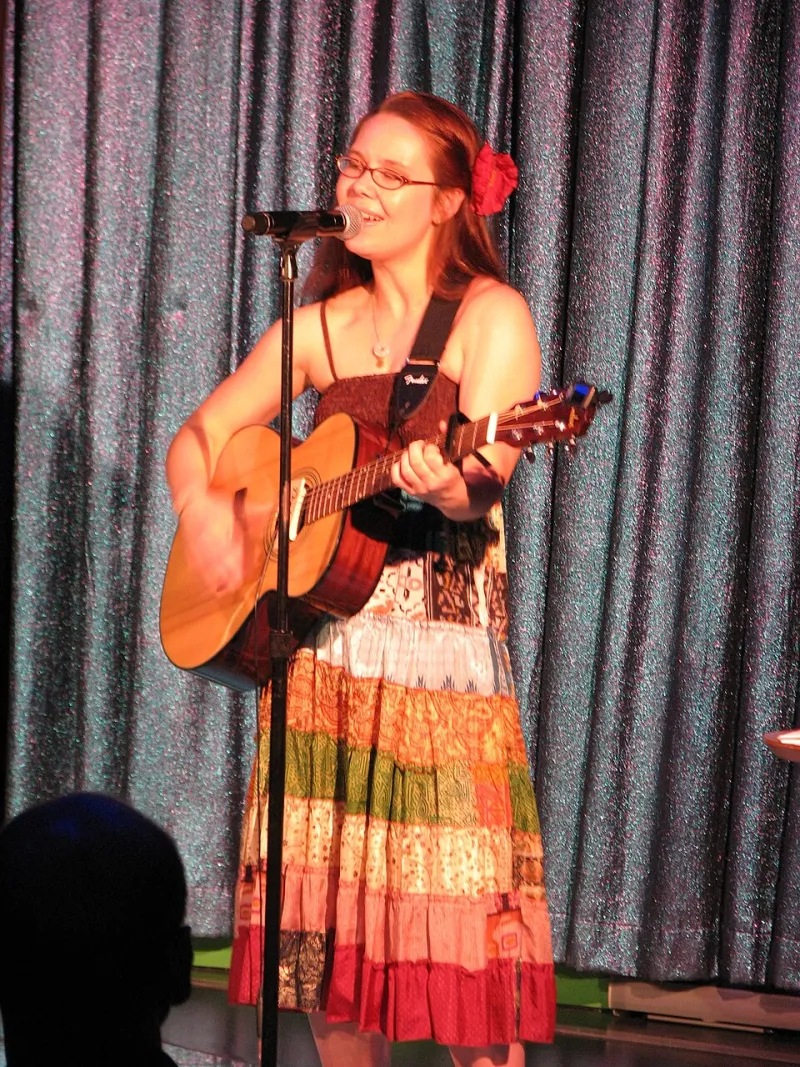
Photo: Joel Richard, CC BY-SA 2.0, via Wikimedia Commons
There's this persistent myth in creative culture that making money from your art automatically corrupts it. That the moment you start thinking about revenue, you've crossed some invisible line from artist to sellout. It's a romantic idea. It's also completely wrong — and it keeps a lot of genuinely talented people broke.
Here's the truth: financial stability doesn't threaten your artistic integrity. Financial desperation does. When you're scrambling to cover rent, you're not making your best creative decisions. You're making survival decisions. And there's a real difference.
The goal isn't to chase money at the expense of your vision. The goal is to build sustainable income streams that support your vision — so you can keep making the work that actually matters to you, on your own terms, for the long haul.
Let's talk about how to actually do that.
1. Patreon and Direct Fan Support: Your Most Aligned Revenue Stream
If there's one income model that was basically designed for artists who want to stay true to their work, it's direct fan support. Platforms like Patreon, Substack, and even Ko-fi let you build a direct financial relationship with the people who genuinely love what you do — no label, no algorithm, no brand deal required.
The key here is framing. You're not begging for charity. You're inviting your most engaged fans into a closer relationship with your creative process. Behind-the-scenes content, early access to new work, demos, voice memos, Q&As, handwritten lyrics — these are things your real fans actually want, and they're things you can offer without changing a single thing about the art itself.
A small, loyal supporter base can be genuinely life-changing. Even 200 people paying $10 a month is $2,000 in predictable monthly income. That's rent in a lot of cities. It's studio time. It's the breathing room that lets you say no to the opportunities that don't feel right.
2. Sync Licensing: Let Your Music Work While You Sleep
Sync licensing — placing your music in TV shows, films, commercials, video games, and digital content — is one of the most underutilized revenue streams for independent artists, and it's more accessible than most people realize.
The integrity question around sync is worth addressing directly: not every placement is a compromise. There's a meaningful difference between licensing your song to a documentary that aligns with your values and slapping it on a fast food commercial because someone waved a check at you. You get to have standards. You get to say no. But don't let the fear of imperfect placements keep you from pursuing a revenue stream that could fund years of independent creative work.
Platforms like Musicbed, Artlist, and DistroKid's sync licensing tools have made this more accessible for indie artists. Music supervisors are actively looking for authentic, non-generic music — which is exactly what artists who haven't been chasing trends tend to make.
3. Live Performance: The Experience Economy Is Real
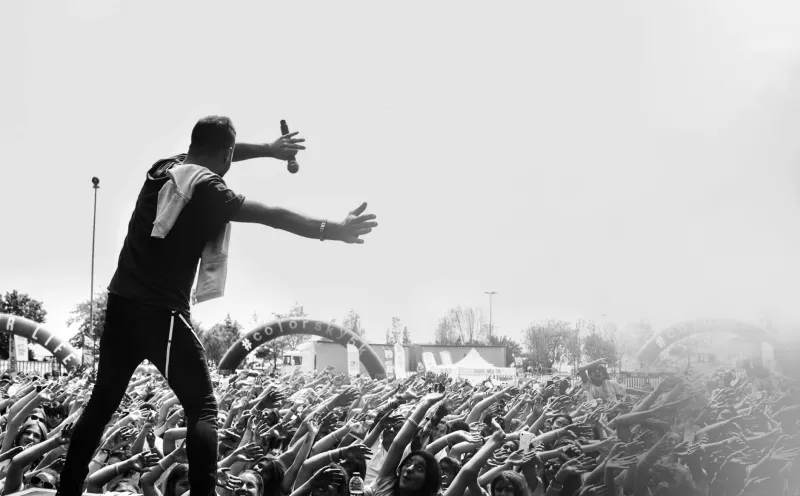
Streaming pays fractions of cents. Live performance pays actual dollars. And in an era where people are increasingly hungry for genuine human connection and shared experience, the value of a live show — done well — is only going up.
This doesn't mean you need to be headlining arenas. House concerts, listening rooms, intimate venue residencies, and even well-curated live streams can generate meaningful income while actually deepening the relationship between you and your audience. Some of the most financially sustainable artists in the independent music world have built their entire business model around a dedicated touring circuit of 100-300 person venues where they sell out every single night.
The live experience also gives you the opportunity to sell merch, physical music, and exclusive items that fans can't get anywhere else — which brings in revenue that feels completely aligned with the work.
4. Teaching and Workshops: Share the Process, Not Just the Product
If you've developed a genuine craft — and if you're reading this, you probably have — there are people who want to learn from you. Online courses, workshops, masterclasses, and one-on-one coaching are legitimate, integrity-aligned income streams that also tend to deepen your own understanding of your work.
Teaching doesn't make you less of an artist. It makes you a more articulate one. The process of explaining your creative approach forces you to get clearer on what you actually believe about art, craft, and storytelling. That clarity feeds back into the work itself.
Platforms like Teachable, Maven, and even simple Zoom workshops let you build this kind of offering without a massive upfront investment. Start small — a single masterclass on songwriting, visual storytelling, or your specific creative process — and see what resonates.
5. Exclusive Content and Limited Releases: Scarcity With Meaning
Not everything you make needs to be freely available everywhere forever. There's genuine value in creating exclusive, limited, or collectible work for the fans who want to go deeper.
This could look like limited-edition vinyl pressings, hand-numbered art prints, exclusive digital releases for your email list, or even something as simple as a private Bandcamp page with demos and unreleased tracks for dedicated supporters. The key is that the exclusivity feels meaningful — not manufactured. You're not withholding your art to manipulate people. You're creating tiers of access that reward the people who are most invested in your work.
This model also tends to generate some of the most meaningful connections with your audience, because the people who show up for the exclusive stuff are the ones who are genuinely invested in you as an artist — not just as entertainment.
The Bottom Line
Monetizing your art isn't the opposite of integrity. Doing it thoughtlessly is. The revenue streams that align with your creative vision are the ones that strengthen your ability to keep making work on your own terms — and that's not selling out. That's building a sustainable creative life.
You deserve to get paid for your work. The sooner you make peace with that, the sooner you can stop making decisions from a place of desperation and start making them from a place of genuine creative freedom.