Likes Won't Save Your Art: The Hidden Cost of Chasing Numbers Over Instinct
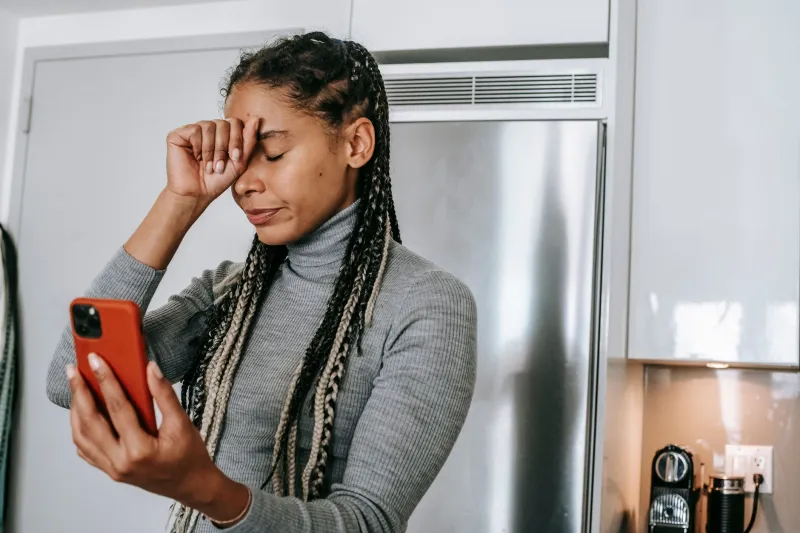
There's a moment a lot of indie artists know really well. You finish something — a song, a video, a post — and before you've even had a second to sit with how it feels, you're already watching the numbers. Refreshing. Comparing. Calculating whether the algorithm is going to reward you or bury you this week.
And slowly, without really noticing it, you stop making things because you need to. You start making things because you think they'll perform.
That's the trap. And it's a sneaky one.
The Attention Economy Was Built for Engagement, Not Expression
Let's be real about what platforms like TikTok, Instagram, and Spotify are actually designed to do. They're not cultural institutions. They're attention marketplaces. Every algorithm is optimized for one thing: keeping people scrolling. And when you start optimizing yourself for those same systems, you're essentially agreeing to compete on their terms.
The problem is that those terms have nothing to do with authentic creative output. A three-second hook that keeps someone from swiping isn't the same thing as a bridge that makes someone pull over their car because they're crying too hard to drive. One performs. The other lands. And the more you chase the former, the harder it gets to find the latter.
Research in behavioral psychology backs this up. When external rewards — likes, shares, streams — become the primary motivator for a creative act, intrinsic motivation takes a hit. Psychologists call it the "overjustification effect." Basically, once you start doing something for the reward, the thing itself stops feeling worth doing on its own. For artists, that's a slow-moving disaster.
The Data Feedback Loop That Rewires Your Creative Brain
Here's where it gets genuinely kind of scary. When you release something and it underperforms, your brain registers that as a social rejection signal. That's not metaphorical — it activates some of the same neural pathways. Over time, you start making unconscious decisions to avoid that feeling. You play it safer. You lean toward what already worked. You file away the weird, risky, experimental stuff because you don't want to feel that sting again.
And just like that, your creative range shrinks. You're no longer exploring — you're optimizing. There's a big difference.
A lot of artists describe this as feeling like they've "lost their voice" without quite knowing why. They're still producing. They're still releasing. But something feels hollow. The work doesn't excite them the way it used to. That hollowness? That's what it sounds like when instinct gets overruled by data for too long.
What Reclaiming Creative Control Actually Looks Like
This isn't an argument for ignoring analytics entirely. Information is useful. Knowing your audience demographic, understanding when your listeners are most active, tracking which songs resonate — all of that has legitimate value. The issue isn't the data. It's when the data becomes the driver instead of a tool.
So what does it look like to flip that dynamic? A few things that actually work:
Create before you consume. Make it a rule that you don't check notifications, stats, or feeds before you've spent time on your actual creative work each day. What you consume first shapes your frame of mind. If you start your day in the comparison spiral, that energy bleeds into everything you make.
Designate "unmeasured" creative time. Give yourself a regular block — could be an afternoon, could be a weekend morning — where you make stuff that you have zero intention of releasing. No audience in mind. No hook strategy. Just the work for the sake of the work. This is where your most interesting ideas usually live.
Ask different questions. Instead of "will this perform?" try "does this say something true?" or "would I be proud of this in five years?" Reframing your internal evaluation criteria is one of the most practical ways to shift what you're actually optimizing for.
Create a personal metrics blackout period post-release. After you put something out, give yourself 48 to 72 hours before you look at any numbers. Let the thing exist without judgment first. You made it. It's real. Let it breathe.
The Artists Who Stopped Chasing and Started Leading
This isn't just theory. Some of the most culturally durable artists of the last decade have been pretty vocal about deliberately stepping back from the metrics conversation. Frank Ocean built an almost mythological level of anticipation for Blonde by going dark and ignoring conventional release strategy entirely. Phoebe Bridgers makes deeply specific, emotionally raw music that doesn't feel engineered for virality — and yet it spreads because it's so genuinely felt.
The through line isn't that these artists don't care about success. It's that they've anchored their creative decisions to something deeper than a dashboard. And audiences feel that difference. You can't fake it. People know when something was made for them versus made for an algorithm.
Your Intuition Is a Creative Asset
Here's the thing that gets lost in all the platform strategy content: your instincts as an artist are genuinely valuable. The weird impulse to try something you've never done before, the nagging feeling that a song needs one more minute even though conventional wisdom says keep it under three, the urge to make something that doesn't fit neatly into a genre box — those aren't liabilities. They're the source of everything interesting you've ever made.
The attention economy will always want more of what already worked. Your job is to keep making things that haven't existed yet.
Numbers can tell you what happened. They can't tell you what's worth making. That part's still yours.