Paying With Pieces of Yourself: The Real Price of Turning Pain Into Art
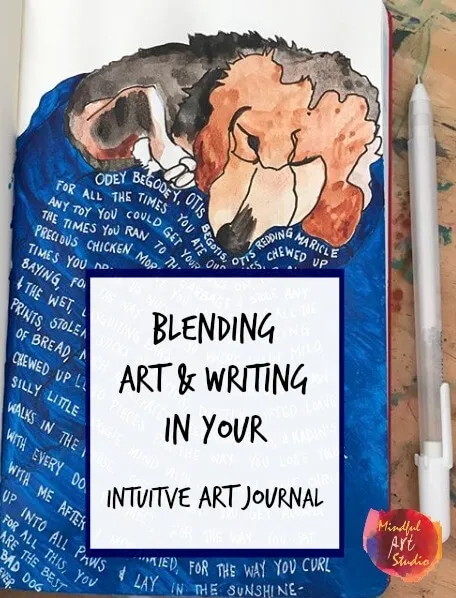
Photo: artist writing in journal emotional creative process, via i.pinimg.com
There's a moment every artist knows. You're sitting with something heavy — a breakup, a loss, a chapter of your life you'd rather forget — and the creative instinct kicks in almost immediately. This is material. And it is. Some of the most resonant art ever made was pulled straight from someone's worst year. But what nobody really warns you about is what happens after you publish it, perform it, or press play.
The vulnerability hangover is real. And if you're not careful, the act of turning your pain into art can quietly become its own source of damage.
The Currency Nobody Names
When we talk about artistic honesty, we tend to romanticize it. We celebrate artists who "go there" — who bare it all, who don't flinch, who make us feel less alone in our own mess. And that celebration is earned. Honest art matters. But in all the praise for rawness, there's a conversation we keep skipping: the psychological toll of repeatedly excavating your most tender places for public consumption.
Think of emotional honesty as a currency. Every time you write a song about your father's addiction, or record a track about the relationship that broke you, or post a poem about the year you could barely get out of bed — you're spending something. A little bit of the protective distance between your wound and the world. A little bit of the privacy that lets that wound actually heal.
The problem isn't spending that currency. The problem is spending it without a budget.
When Honesty Becomes a Habit That Hurts
For a lot of artists, the line between processing pain through creativity and performing pain for an audience blurs faster than they expect. You get the feedback loop going — vulnerable post lands, comments pour in, streams go up — and your nervous system starts associating exposure with connection and reward. Before long, you're not just creating from your experience. You're actively hunting for more pain to mine because that's what seems to work.
This is where sustainable emotional honesty tips into something more corrosive. Psychologists sometimes call it "trauma repetition" — the way we can unconsciously return to painful material not to heal it, but because we've made it central to our identity. For artists, this can look like being so identified with your suffering that you start to feel creatively lost without it.
And then there's the audience expectation problem. Once your listeners know you as someone who shares everything, they start to expect it. Setting a new boundary later — deciding some things are just yours — can feel like a betrayal of the brand you built. That's not a small thing to navigate.
Building a Filter, Not a Wall
Here's the reframe that might actually help: protecting yourself emotionally isn't the same as being less honest in your art. It's about developing a filter instead of a wall.
A wall keeps everything out — no vulnerability, no risk, no real connection. A filter lets things through intentionally. It asks: Is this healed enough to share? Am I creating from this experience, or am I still inside it? That distinction matters more than most people realize.
One practical framework is what some therapists and creative coaches call the "distance test." Before you share something deeply personal, ask yourself: Can I talk about this without it destabilizing me? If the answer is no — if you're still in the thick of it emotionally — that's a signal the material might not be ready yet. That doesn't mean it won't become powerful art eventually. It just means it might need more time in your private notebook before it goes into the world.
Another useful practice is distinguishing between your story and your truth. Your truth — the emotion, the theme, the human experience you want to convey — doesn't always require the full specificity of your story. You can write a devastating song about grief without naming every detail of what happened. The emotional truth lands just as hard, sometimes harder, when it has a little room to breathe.
The Permission to Keep Some Things Sacred
One of the most quietly radical things you can do as an artist is decide that some things belong only to you. Not everything that happens in your life needs to become content. Not every dark chapter is owed to your audience, no matter how much they love you or how much your previous honesty has meant to them.
This might feel counterintuitive if you've built your creative identity around openness. But think about it this way: the parts of yourself you protect are also the parts that fuel you long-term. The artist who burns every log in the fireplace to keep the audience warm ends up cold and empty. You need reserves. You need interior life that isn't for sale.
That's not selfishness. That's sustainability.
Practical Ways to Protect Yourself Without Pulling Back
If you want to keep making honest, emotionally grounded work without paying for it in burnout and boundary erosion, a few things can genuinely help:
Create a release ritual. After you publish or perform something vulnerable, do something that signals closure — a walk, a conversation with someone you trust, a deliberate moment of acknowledging what you just did. This helps your nervous system understand the difference between sharing and being consumed.
Separate the creation from the promotion. Writing the song is one thing. Doing fifteen interviews about the worst day of your life is another. You get to decide how much you explain your own art. You're allowed to let it speak for itself.
Build a support structure that isn't your audience. Therapy, close friends, a creative community where you're not performing — these aren't luxuries. For artists who share deeply, they're infrastructure.
Check in with yourself after, not just before. We tend to ask "am I ready to share this?" but rarely ask "how do I feel now that I have?" Make that a regular practice. If the answer is consistently "hollowed out" or "exposed in a way that doesn't feel good," that's data worth listening to.
The Art Gets Better When You Do
Here's the thing nobody puts on the inspirational poster: artists who are emotionally well make better work. Not safer work — better work. Because they're creating from a place of choice, not compulsion. They're sharing because they want to, not because they've lost the ability to hold anything back.
Vulnerability in art is powerful precisely because it's chosen. When it stops being a choice — when it becomes a reflex, a performance, or an obligation — it loses the thing that made it matter in the first place.
You don't owe anyone your entire interior life. What you owe yourself is a creative practice you can sustain for decades. Start budgeting accordingly.