Scrolling Yourself Hollow: How the Comparison Game Quietly Erases Your Creative Identity
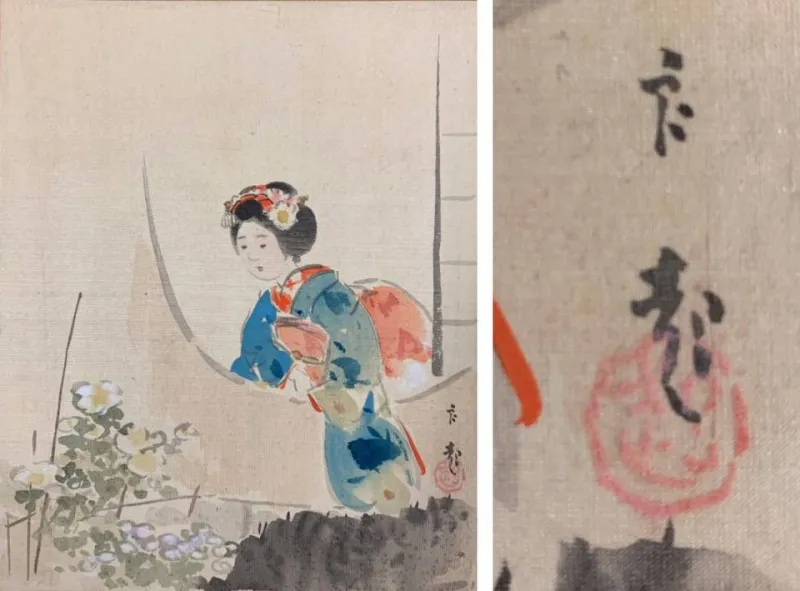
Photo: unidentified Japanese artist, Public domain, via Wikimedia Commons
There's a specific kind of exhaustion that doesn't come from overworking. It creeps in somewhere around the third time you've watched a creator you admire announce a sold-out tour, a major sync deal, or a viral moment that seems to have appeared out of nowhere. You close the app. You sit with the weird, uncomfortable feeling in your chest. And then — almost without realizing it — you open it again.
This is the comparison trap. And it's not just a mental health buzzword. For artists and creators, it's a genuine creative crisis hiding behind a phone screen.
The Algorithm Is Not Your Friend (Or Your Measuring Stick)
Here's the thing nobody talks about enough: social media platforms aren't designed to show you an accurate picture of anyone's creative journey. They're designed to show you the most engaging version of it. That means the wins get amplified, the grind stays invisible, and the messy middle — the part where every single artist actually lives — gets filtered out completely.
When you're comparing your chapter three to someone else's chapter fifteen, you're not even comparing real things. You're comparing your full, unedited reality to a carefully curated highlight package. That's not a fair fight. It was never meant to be.
The danger isn't just feeling bad about yourself, though that's real too. The deeper damage is what happens to your creative decision-making. You start second-guessing choices that were actually right for you. You pivot toward sounds, aesthetics, or formats that are trending in someone else's lane. You abandon the weird, specific, genuinely original thing you were building because it doesn't look like what's getting traction in your feed.
And just like that, your artistic vision starts to blur at the edges.
Why Your Brain Is Wired to Make This Worse
Comparison isn't a character flaw. It's literally baked into human psychology. Social comparison theory — the idea that we evaluate ourselves by measuring against others — has been around since the 1950s, and research consistently shows that upward social comparison (looking at people doing better than us) tends to tank our self-esteem and creative confidence.
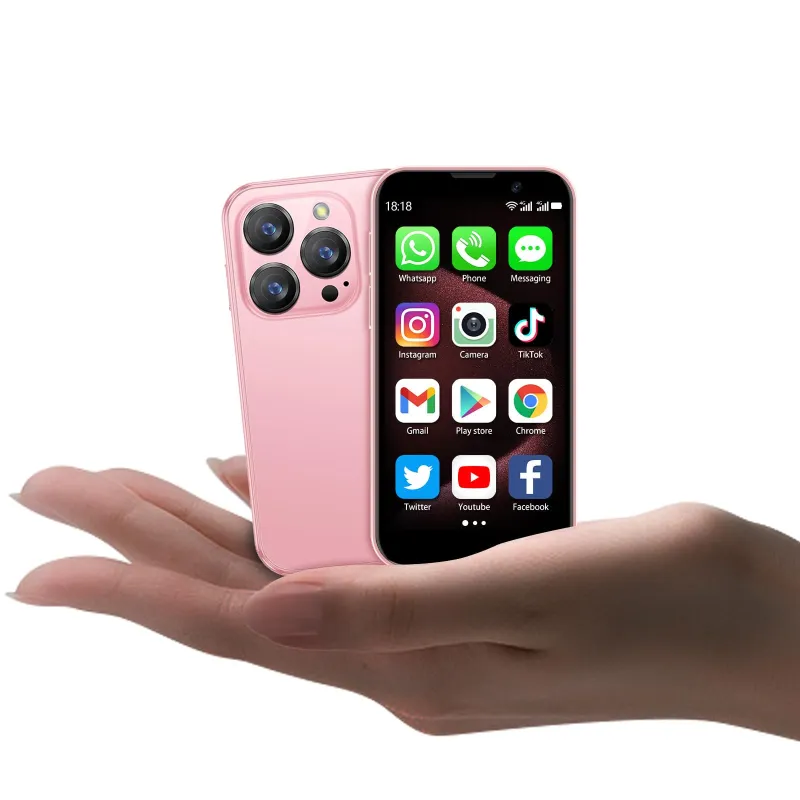
Now layer on the fact that social media creates an endless, algorithmically curated stream of upward comparisons, available 24/7, in the palm of your hand. The system isn't neutral. It's actively feeding you a distorted reality where everyone else seems to be thriving and you're the only one still figuring it out.
For artists especially, this hits different. Creative work is inherently personal. When you feel like your art isn't measuring up, it doesn't just feel like professional failure — it feels like you aren't measuring up. That's a brutal loop to get stuck in.
The Quiet Erosion of Artistic Instinct
One of the subtler ways comparison kills creative work is through what I'd call instinct erosion. It doesn't happen all at once. It happens gradually, every time you override your gut because something else seems to be working for someone else.
Maybe you were writing something raw and unconventional, but then you watched three polished, produced artists blow up and suddenly your rough edges felt like liabilities instead of strengths. Maybe you were leaning into a niche sound that felt deeply true to you, but the algorithm kept serving you content from creators playing a completely different game — and you started wondering if you should be playing it too.
The accumulation of those small moments of self-doubt is what erodes your artistic identity over time. Not one big crisis. Just a thousand tiny redirects away from yourself.
How to Protect Your Vision Without Going Off the Grid
Here's what I'm not going to tell you: unfollow everyone, delete your apps, and disappear into a creative bubble. That's not realistic, and honestly, staying connected to your industry matters. But there are real, practical ways to protect your creative instincts while staying engaged.
Audit your feed with intention. Go through who you follow and ask yourself honestly — does this account inspire me or deflate me? There's a difference between creators who light you up and those who just make you feel behind. You don't have to unfollow anyone, but you can mute the accounts that consistently trigger comparison spirals.
Create before you consume. Make it a rule: before you open any social platform in the morning, you spend at least fifteen minutes on your own work. Even if it's just journaling, sketching out an idea, or humming a melody into your voice memos. Touch your own creative world before you enter anyone else's.
Get specific about what you actually want. Comparison thrives in vagueness. When you don't have a clear sense of your own goals and vision, you default to wanting whatever seems to be working for others. Write down what success actually looks like for you — not in terms of metrics, but in terms of the work you want to make and the life you want to build around it.
Find your reference points outside the algorithm. Some of the most grounding creative influences live in books, films, old records, and conversations with people who aren't online performing their careers. Deliberately seek out inspiration that doesn't come with a follower count attached.
Talk about the struggle. One of the most powerful antidotes to comparison is realizing everyone is in it. When you're willing to be honest about your own uncertainty and process, you create space for others to do the same — and suddenly the playing field looks a lot more level.
Your Weird Is Your Edge
Every time you catch yourself wishing your art looked more like someone else's, try flipping the question: what is it that only you can make? What's the thing in your work that's too specific, too strange, too personal to be replicated?
That's not a liability. That's the whole point.
The artists who break through aren't the ones who successfully imitated what was already working. They're the ones who stayed weird enough, specific enough, and true enough to themselves that they created something nobody had heard before.
The comparison trap wants you to sand those edges down. Don't let it.