Stop Running Someone Else's Race: Your Creative Journey Has Its Own Clock
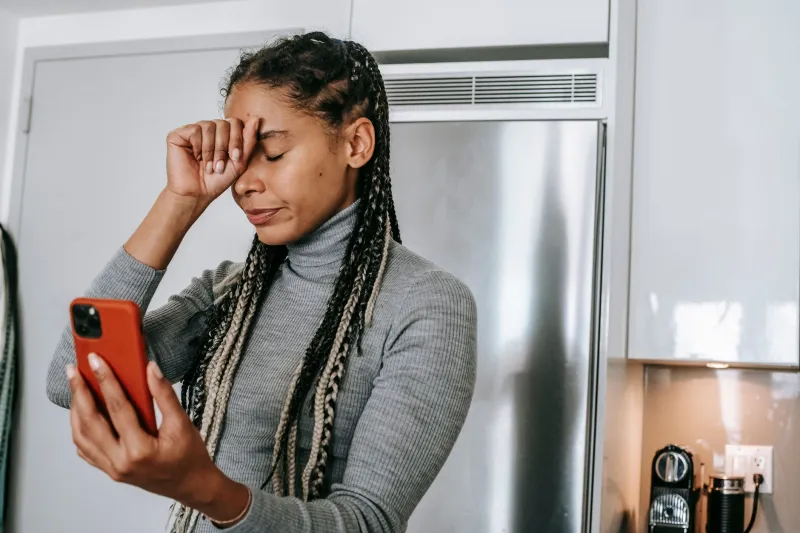
Open Instagram for five minutes and you'll find it — some 22-year-old who just dropped their debut EP, signed a management deal, and somehow has 200k followers before they've even figured out their sound. The algorithm serves it up like a challenge. Why aren't you there yet? And just like that, the comparison spiral begins.
Here's the uncomfortable truth nobody really talks about: social media doesn't show you the full picture. It shows you the highlight reel, the press release version, the curated moment. What it doesn't show you is the decade of bedroom recordings, the creative breakdowns, the three pivots in genre before that person found their lane. But your brain doesn't care about context. It just sees the scoreboard.
Why Our Brains Are Wired to Compare
Psychologists have a name for this — social comparison theory. It's the idea that humans naturally evaluate themselves by looking at others, especially in ambiguous situations where there's no objective measure of success. And what's more ambiguous than a creative career?
There's no GPA for artistry. No standardized test that tells you whether your songwriting is above average. So we fill that void with external signals — streams, followers, placements, press mentions. And when someone else's external signals look bigger than ours, our brain reads it as proof that we're falling short.
The music industry, and honestly the entire creator economy, has gotten really good at manufacturing those signals. Spotify Wrapped. Chartmetric rankings. "Emerging artist" lists that somehow always feature people who already have 50k monthly listeners. The whole system is built to make you feel like time is running out.
The False Urgency Machine
There's a particular kind of anxiety that comes from watching the algorithm decide who matters. An artist goes viral on TikTok, and suddenly every think-piece is saying that's the only way to break through now. A songwriter lands a sync deal at 26, and suddenly 27 feels ancient.
This is manufactured urgency, and it's one of the most effective creativity killers out there. When you believe you're behind, you start making decisions from panic rather than purpose. You release music before it's ready because you're scared of losing relevance. You chase sounds that are trending rather than sounds that are yours. You say yes to opportunities that don't actually align with where you want to go because at least it's something.
None of that builds a sustainable creative life. It builds a hamster wheel.
What 'Progress' Actually Looks Like
Here's a reframe worth sitting with: some of the most respected artists in American music history didn't hit their stride until their 30s, 40s, or beyond. Sheryl Crow was 31 when she released her debut. Bonnie Raitt won her first Grammy at 39. Leonard Cohen didn't release his first album until he was 33. The work that matters tends to come from artists who've had enough time to actually live something worth saying.
That's not a consolation prize. That's a different kind of timeline — one that values depth over speed.
The question isn't how fast are you moving? The question is are you moving in the right direction for you?
Building Your Own Metrics
If you're serious about breaking out of the comparison trap, the first step is getting honest about what you actually want — not what you think you're supposed to want.
Try this: write down five creative milestones that would genuinely mean something to you, with no regard for how they'd look on a press sheet. Maybe it's finishing an album that reflects exactly who you are right now. Maybe it's performing in a room of 50 people who actually know the words. Maybe it's writing a song that makes your best friend cry in the good way.
Those are real metrics. They belong to you.
Then, instead of measuring yourself against other artists, start measuring yourself against your past self. Are you better than you were six months ago? Are you taking creative risks you wouldn't have taken a year ago? Is your work becoming more you rather than less? That's the scoreboard that actually matters.
Permission to Be Slow
There's a quiet kind of rebellion in refusing to rush. In a culture that rewards speed and volume — more content, more releases, more noise — choosing to move deliberately is genuinely countercultural.
Slowing down doesn't mean being lazy. It means being intentional. It means letting ideas breathe before you ship them. It means giving yourself the time to actually become the artist your best work requires you to be.
Some people find their voice at 19. Some find it at 45. Both are valid. Both are real. And neither timeline cancels out the other.
Your art doesn't have a deadline. The algorithm might act like it does, but the algorithm doesn't know what you're building. Only you do.
So close the tab. Put the phone down. And go make something that's actually worth the time you're taking to make it.