Making Art for a Room That's Empty (For Now)
Photo: halfuur, CC BY 3.0, via Wikimedia Commons
Before the Noise
There's a version of your creative life that existed before the followers, the streams, the comments, the analytics dashboard. A version where you made things because something inside you needed to get out — not because an algorithm rewarded it, not because a fanbase expected it.
Most people look back on that era with some combination of nostalgia and relief. Nostalgia because the work felt freer. Relief because you're not struggling in the dark anymore.
But here's the thing: that early creative freedom wasn't a phase you outgrow. It was a state you can return to, deliberately, if you understand what actually made it work.
The artists who sustain something meaningful over a long career are almost always the ones who figured out how to keep making work as if no one was watching — even when everyone was.
The Paradox of the Growing Audience
Growing an audience is, on the surface, the goal. More people hearing your music, reading your words, seeing your work — that's what we're building toward, right?
Except there's a quiet tax that comes with it.
Every new follower brings a subtle expectation. Every piece of content that performs well creates an invisible template. Before long, you're not just making work — you're managing a relationship with an audience that has preferences, and some part of your brain is always running the calculation: will they like this?
That calculation isn't always bad. Caring about how your work lands is part of being a communicator. But when it starts happening before you've even made the thing — when it filters what you allow yourself to try — it's no longer serving the work. It's limiting it.
The intimacy and authenticity that drew people to your work in the first place? That came from a version of you who wasn't doing that calculation yet.
What "Audience of One" Actually Means
Creating for an audience of one doesn't mean making self-indulgent work that no one else could connect with. It means returning to the practice of making something that matters to you first.
It means asking: if this never got posted, never got heard, never got seen — would I still make it?
That question is a filter. Not a barrier. It doesn't mean you only make things you'd keep private. It means the making has to have value independent of the reception.
When you're in that headspace — creating because the thing needs to exist, not because you need the validation of it existing publicly — the work gets different. It gets stranger, more specific, more honest. And paradoxically, those qualities are exactly what make it resonate with other people.
Specificity is universality. The more honestly you make something for yourself, the more other people recognize themselves in it.
The Psychology of Creating for an Imagined Future Fanbase
Here's a mindset shift that a lot of emerging artists find genuinely useful: instead of making work for your current audience (or the absence of one), make it for the audience you're building toward.
Not in a cynical, calculated way. In an aspirational one.
Imagine the person who will find this song at 2 a.m. when they really need it. The person who will screenshot this paragraph and text it to their best friend. The listener who will say, years from now, "I found this artist before anyone was paying attention."
Make it for them.
This isn't delusional optimism — it's a practical tool for bypassing the anxiety of making work in a vacuum. You're not posting into the void. You're leaving something for someone who hasn't found you yet. That reframe changes the energy of the work entirely.
It also takes the pressure off the present moment. Your current follower count is not a verdict on your talent. It's just a number that reflects where you are right now in a process that takes time.
The Specific Discipline of Making Without Validation
Let's be real: creating without external validation is a muscle, and most of us haven't been training it consistently.
We're wired for feedback. The dopamine hit from a comment, a share, a DM that says this hit different — that stuff is real, and it matters. There's nothing wrong with wanting it.
But if you can only create when validation is flowing, you're in a fragile position. Algorithms change. Engagement fluctuates. The silence between projects can feel like abandonment if you've built your creative fuel entirely on external response.
Some things that help:
Create something you won't post. Write a song just for you. Make a piece you put in a folder and never share. This sounds counterintuitive, but it's training yourself to complete work for the intrinsic reward of completion — not the extrinsic reward of reception.
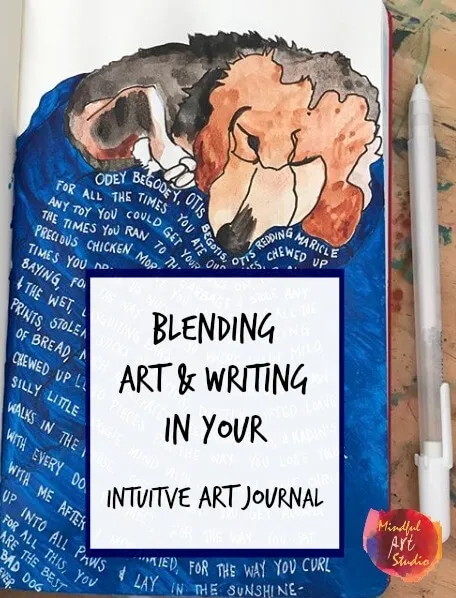
Document the process, not just the output. Keep a creative journal. Voice memo your ideas. The act of tracking your own process builds an internal audience — a record of your thinking that has nothing to do with public consumption.
Set a "no analytics" window. Give yourself a set period after posting where you don't check the numbers. An hour, a day, a week — whatever's realistic. The work doesn't change based on how many people saw it. Your relationship with the work shouldn't either.
The Long Game Nobody Tells You About
Here's what the artists who built real, lasting fanbases tend to have in common: they were making work before anyone cared, and they kept making it the same way after people started caring.
Not because they were indifferent to their audience. Because they'd built such a strong internal compass during the quiet years that it didn't collapse under the weight of external attention.
The empty room isn't a waiting room. It's a training ground.
If you're in it right now — posting to a small audience, making things that feel like they're disappearing into silence — you're not behind. You're building something that will hold up later because it was never dependent on the noise in the first place.
The audience is coming. Make the work worth finding.